


Preparing for a trip to Iceland is less about strict planning and more about understanding how the country actually works.
Distances are longer than they appear on the map, weather can change quickly, and nature often sets the rules for the day. Travelers who enjoy Iceland the most are usually those who arrive prepared, flexible, and informed.
As a local team based in Reykjavik, we help visitors prepare for Iceland every day. This guide focuses on practical details that genuinely matter once you arrive – not just what looks good on paper.
Understanding Icelandic Weather – What It Really Means for Travelers
One of the first things to understand when you prepare for a trip to Iceland is that weather forecasts are only a guideline.
It is common to experience wind, rain, sunshine, and cold temperatures in a single day, even in summer. Wind is often the biggest factor, not temperature.
This is why dressing properly matters more than the season. Waterproof and windproof outer layers are essential year-round. Heavy winter clothing without weather protection is often less effective than light, technical layers.
What to Pack for Iceland – The Real Essentials
When you prepare for a trip to Iceland, packing smart has a direct impact on how comfortable your days will be.
Focus on:
- waterproof and windproof jacket and pants
- thermal base layers, ideally merino wool
- a warm mid-layer such as fleece or down
- sturdy, waterproof walking shoes or light hiking boots
- hat and gloves, even in summer
- swimsuit for geothermal pools and lagoons
- sunglasses
You do not need excessive gear. You need clothing that works in wind, rain, and uneven terrain.

Footwear Matters More Than Most People Expect
Footwear is one of the most underestimated aspects of Iceland travel.
Even popular attractions often involve gravel paths, wet grass, lava fields, or uneven ground. Waterproof walking shoes are far more practical than sneakers, even on short stops.
Good footwear reduces fatigue and makes exploring more enjoyable, especially on longer days or when weather conditions change unexpectedly.
Money, Payments, and Everyday Practicalities
When you prepare for a trip to Iceland, payments are generally simple, but there are a few details worth knowing in advance.
Cards are accepted almost everywhere, including cafés, gas stations, and small shops. Visa and Mastercard work without issues across the country. American Express, however, is accepted far less frequently and should not be relied on as a primary card.
Cash is rarely needed, but it is still useful in specific situations. Some public restrooms outside major towns require small coin payments, and a few rural locations may not always have card terminals available.
Carrying a small amount of Icelandic Króna in coins is practical, even if you mainly pay by card.
Tipping? – Not required, not expected, but it is always appreciated.
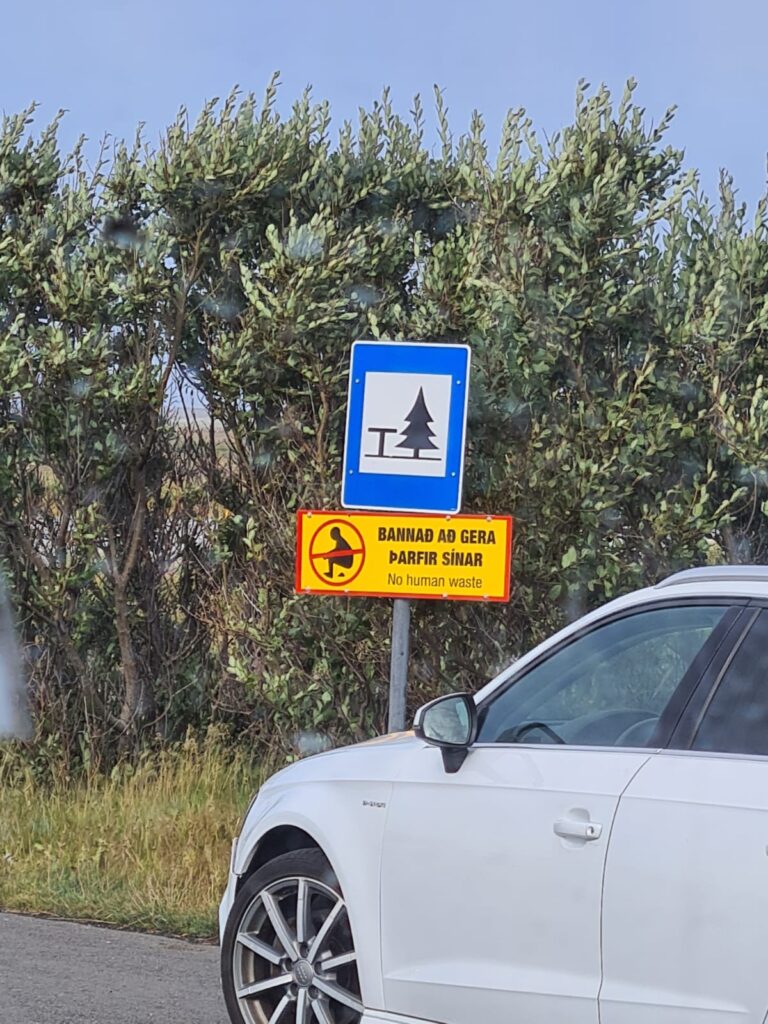
Public Restrooms and Facilities Outside Cities
This is something many first-time visitors do not expect.
Outside urban areas, public restrooms are usually located at fuel stations, cafés, or visitor centers rather than directly along the road. Planning regular stops at gas stations is a practical habit, especially on longer drives or day trips from Reykjavik.
Getting Around Iceland – Transport Choices That Matter
Choosing the right transport is one of the most important decisions when you prepare for a trip to Iceland.
Car rental offers flexibility but requires confidence in changing weather and road conditions. Public buses work for main routes but are limited when exploring remote areas.
Private transfers and tours remove logistical stress and are often preferred by travelers who want a calmer pace, especially after arrival or during shorter stays.
If you want to explore Iceland without worrying about navigation, road conditions, or timing, you can learn more about our Tailor-Made Iceland Tours, designed around real conditions and flexible planning.
Fuel, Distances, and Time Expectations
Distances in Iceland often take longer than expected.
Roads can be narrow, speed limits are low, and weather conditions can slow travel significantly. A short distance on the map does not always mean a short drive.
Fuel stations are common on main routes but can be far apart in remote areas. Never let your fuel level drop too low, especially in winter or when driving outside popular regions.
Always plan days with extra time rather than tight schedules. Iceland rewards flexibility far more than rushing.
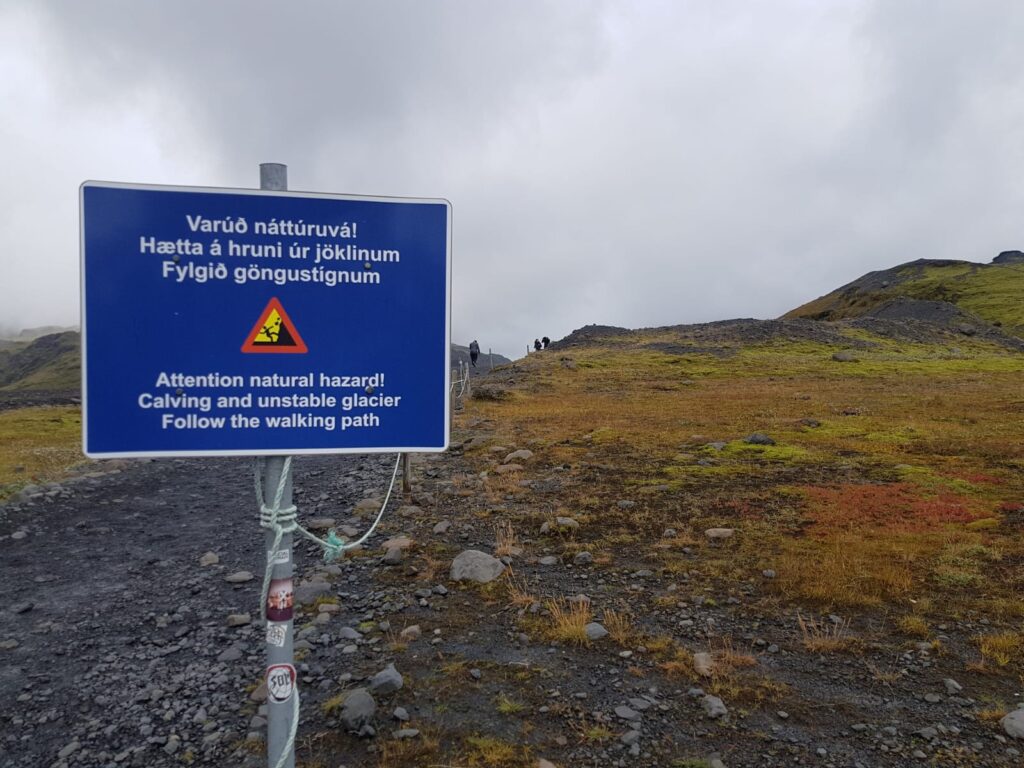
Safety, Warnings, and Respect for Nature – This Is Not a Suggestion
Iceland is safe, but nature here is powerful and unforgiving if underestimated.
Warnings, closures, and safety signs are not optional. They exist because accidents happen every year when travelers ignore them. What might feel exaggerated in other countries should be taken seriously in Iceland.
Before driving or heading out for the day, always check:
- road conditions on road.is
- weather and safety alerts on safetravel.is
Never walk on glaciers without a certified guide. Do not step on moss or restricted areas. Avoid closed roads and marked danger zones, even if others appear to ignore them.
In Iceland, rules related to nature and safety are not a formality – they are genuinely about protecting lives.
Language, Communication, and Connectivity
English is spoken fluently almost everywhere in Iceland, and communication is easy for international travelers.
Mobile coverage is strong across most of the country, but downloading offline maps is still recommended, especially for rural areas.
A simple “Takk” for thank you is always appreciated.
A Simple Checklist Before You Arrive in Iceland
Before you travel, make sure you have:
- waterproof outer layers and proper footwear
- at least one Visa or Mastercard
- small amount of ISK coins for restrooms
- offline maps downloaded on your phone
- awareness of daily road and weather checks
- a realistic plan that allows flexibility
This small preparation goes a long way.
Conclusion
To prepare for a trip to Iceland properly, focus on understanding conditions rather than building a rigid itinerary.
Weather, distances, and nature will often shape your days more than plans. Travelers who arrive prepared, flexible, and informed tend to enjoy Iceland more calmly and safely.
At CarBuddy, we help guests prepare journeys that work in real Icelandic conditions, not just on paper.
If you are planning your trip and would like local guidance before you arrive, explore our Tailor-Made Iceland Tours or get in touch with us.